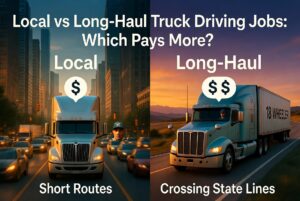
The trucking industry is one of the largest employers in the transportation sector, offering thousands of job opportunities across the United States, Canada, and many other countries. If you’re considering a career as a truck driver, one of the biggest decisions you’ll face is choosing between local truck driving and long-haul (Over-the-Road or OTR) truck driving.
While both careers can provide stable income and excellent job security, they differ significantly in salary, lifestyle, work schedule, and overall quality of life.
In this guide, we’ll compare local and long-haul trucking jobs in detail to help you decide which option is best for your career goals.
Understanding Local Truck Driving
A local truck driver typically operates within a specific city, metropolitan area, or region. Most local drivers complete deliveries during the day and return home after each shift.
Typical Responsibilities
Local truck drivers often:
- Deliver goods to retail stores
- Transport food and beverages
- Move construction materials
- Deliver fuel
- Pick up freight from warehouses
- Transport packages for courier companies
Many local drivers work for:
- Grocery chains
- Beverage companies
- Construction companies
- Municipal governments
- Courier services
- Manufacturing companies
Advantages of Local Truck Driving
1. Home Every Day
The biggest advantage is spending every night with your family.
This is ideal for:
- Parents
- Married drivers
- People with children
- Drivers who value work-life balance
2. Predictable Schedule
Most local jobs operate on regular shifts.
Examples include:
- 6 AM – 3 PM
- 7 AM – 4 PM
- Night shifts
- Weekend schedules
Having a consistent routine makes planning personal activities much easier.
3. Less Time Away From Family
Unlike OTR drivers, local drivers rarely spend nights away from home.
This reduces:
- Homesickness
- Family stress
- Hotel expenses
- Travel fatigue
4. Easier Route Familiarity
Drivers repeatedly travel the same roads.
Benefits include:
- Faster deliveries
- Less navigation stress
- Better knowledge of traffic patterns
- Improved efficiency
Disadvantages of Local Truck Driving
Lower Average Pay
Because local drivers work fewer hours and drive shorter distances, they generally earn less than experienced long-haul drivers.
Heavy Physical Work
Many local jobs require:
- Loading cargo
- Unloading freight
- Moving pallets
- Handling deliveries
Some positions involve significant physical labor.
City Traffic
Daily exposure to:
- Congestion
- Construction
- Tight parking
- Frequent stops
can make local driving more stressful.
Understanding Long-Haul (OTR) Truck Driving
Long-haul trucking involves transporting freight over long distances, often crossing multiple states or provinces. Trips may last several days or even weeks before returning home.
Drivers commonly travel:
- 500–3,000+ miles per trip
- Across the country
- Between major distribution centers
- Across international borders where permitted
Advantages of Long-Haul Truck Driving
Higher Income Potential
OTR drivers usually earn more because they:
- Drive more miles
- Work longer trips
- Receive mileage-based pay
- Qualify for bonuses
Many companies also offer:
- Safety bonuses
- Fuel efficiency bonuses
- Performance bonuses
- Per diem allowances
Greater Job Availability
Long-haul trucking companies are constantly hiring due to high demand for freight transportation.
This makes it easier for new CDL holders to find employment.
Travel Opportunities
Drivers get to experience:
- Different states
- New cities
- National parks
- Diverse landscapes
- Various weather conditions
Many truck drivers enjoy the adventure of life on the road.
Less City Traffic
Most driving occurs on:
- Highways
- Interstates
- Rural roads
This often means fewer stoplights and less congestion than city routes.
Disadvantages of Long-Haul Truck Driving
Time Away From Home
Many OTR drivers spend:
- 1 week away
- 2 weeks away
- 3 weeks away
- Even longer depending on the employer
This can be difficult for families and relationships.
Loneliness
Driving alone for long periods may affect mental well-being.
Some drivers struggle with:
- Isolation
- Boredom
- Missing family events
- Limited social interaction
Fatigue
Long hours behind the wheel require:
- Good sleep habits
- Healthy eating
- Proper exercise
- Stress management
Unpredictable Weather
Drivers encounter:
- Snowstorms
- Heavy rain
- High winds
- Mountain driving
- Extreme heat
Experience is essential for safe driving.
Salary Comparison
Although pay varies by employer, experience, and location, here’s a general comparison:
| Factor | Local Truck Driver | Long-Haul Truck Driver |
|---|---|---|
| Average Annual Salary | $50,000–$75,000 | $65,000–$100,000+ |
| Entry-Level Pay | Moderate | Moderate to High |
| Experienced Pay | Good | Excellent |
| Bonuses | Limited | More Common |
| Overtime | Often Available | Less Common (varies by pay structure) |
| Home Time | Daily | Weekly or Less |
| Physical Labor | Often More | Often Less |
| Travel | Minimal | Extensive |
Who generally earns more?
On average, experienced long-haul drivers often have higher earning potential due to the number of miles driven and available incentives. However, some specialized local jobs—such as fuel hauling, tanker driving, or union positions—can pay as much as or more than many OTR roles.
Factors That Affect Truck Driver Pay
Your income depends on more than whether you drive locally or long-haul.
1. Experience
Drivers with 5–10 years of safe driving experience typically earn more than beginners.
2. CDL Endorsements
Additional endorsements can increase earning potential, including:
- Tanker (N)
- Hazmat (H)
- Doubles/Triples (T)
- Combination Hazmat/Tanker (X)
These qualifications can open doors to higher-paying positions.
3. Employer
Some companies offer:
- Better benefits
- Higher mileage rates
- Retirement plans
- Paid vacation
- Health insurance
- Tuition reimbursement
Researching employers carefully can make a significant difference in your overall compensation.
4. Type of Freight
Higher-paying freight often includes:
- Hazardous materials
- Oversized loads
- Refrigerated freight
- Fuel transport
- Specialized equipment
These roles may require extra training or certifications.
5. Geographic Location
Regions with high freight demand or higher living costs may offer higher wages. Rural areas or regions with lower demand may pay less.
Which Job Is Better for Beginners?
Many new CDL graduates begin with long-haul companies because they:
- Hire inexperienced drivers more readily
- Provide structured training programs
- Offer consistent miles to build experience
- Help drivers gain confidence on different routes
After gaining one to three years of experience, many drivers transition to local positions for improved work-life balance.
Which Career Fits Your Lifestyle?
Choose local trucking if you:
- Want to be home every night.
- Have family responsibilities.
- Prefer a predictable schedule.
- Don’t mind more physical work.
- Enjoy familiar routes.
Choose long-haul trucking if you:
- Want to maximize earning potential.
- Enjoy traveling.
- Don’t mind extended time away from home.
- Like driving long distances.
- Prefer highway driving over city traffic.
Tips for Maximizing Your Truck Driving Income
Regardless of the path you choose, these strategies can help increase your earnings:
- Maintain a clean driving record.
- Earn additional CDL endorsements.
- Build experience with reputable employers.
- Stay compliant with safety regulations.
- Consider specialized freight as your experience grows.
- Compare total compensation, including benefits and bonuses—not just base pay.
Final Thoughts
Local and long-haul trucking each offer rewarding career opportunities, but the right choice depends on your priorities.
If earning the highest possible income is your primary goal and you’re comfortable spending extended periods on the road, long-haul trucking generally offers greater earning potential. On the other hand, if family time, routine, and daily home life are more important to you, a local trucking job may be the better fit—even if the average salary is somewhat lower.
Many successful drivers begin with long-haul positions to gain experience and save money, then transition to local roles later in their careers. By understanding the trade-offs between pay, lifestyle, and job demands, you can choose the trucking path that best supports your personal and financial goals.